 Andy Polaine
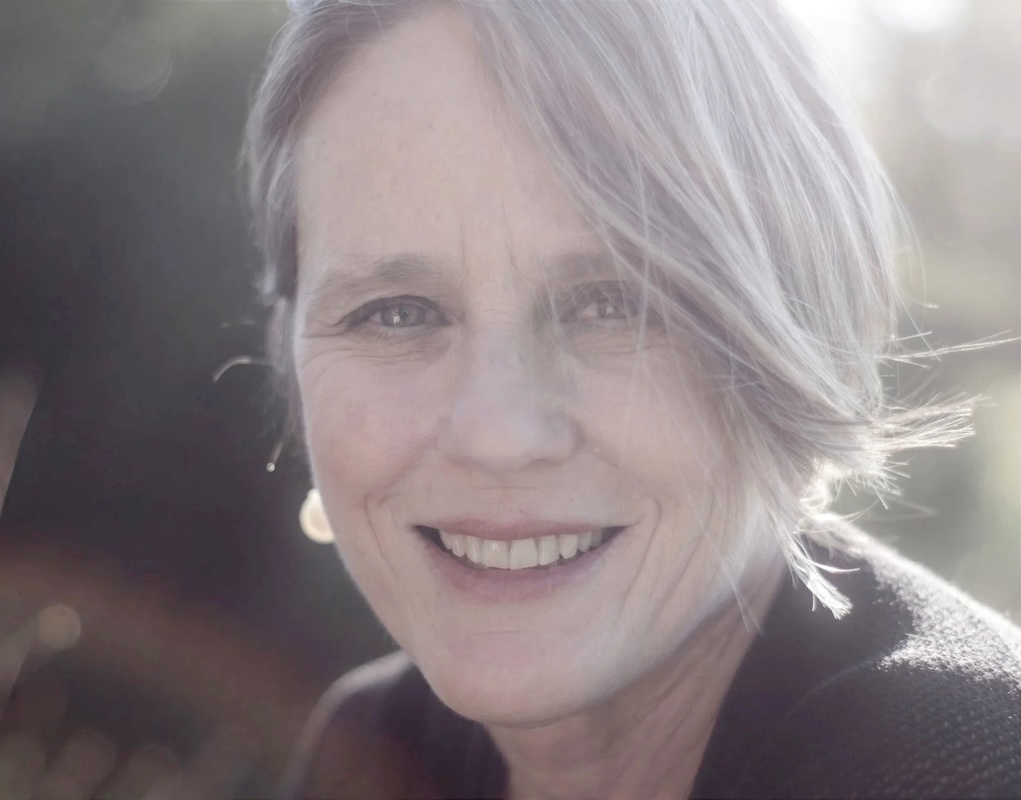
Journalist and author Lisa Bennett, Harvard Fellow, co-author of Ecoliterate, and author of the forthcoming Savor the World: Why Wonder, Not Worry, Will Save Us, joins Andy to talk about restoring human agency in an overwhelming world. Drawing on a career spent studying how people rise to crisis, Lisa unpacks the E.B. White line that underpins her book: the daily tension between wanting to save the world and wanting to savor it.
The conversation moves through the psychology of overwhelm and the “polycrisis,” why humans aren’t wired to care at global scale, AI’s effect on trust and authentic communication, and why savoring — real presence, real attention — might be a more sustainable and more effective form of care than constant fighting.
Show Links
Transcript
Note: This transcript is machine-generated and may contain some errors.
Andy Polaine (00:09.934) Hello, welcome to Power of Ten, a show about design operating at many levels of Zoom, from thoughtful detail through to transformation in organizations, society, and the world. My name is Andy Polaine, I’m a design leadership coach, designer, educator, and writer. My guest today is author, speaker, and advisor Lisa Bennett, who focuses on restoring human capacity in a world of rapid change, uncertainty, and unrelenting pressure. Something I think we can all recognise right now.
Lisa spent a lifetime studying what helps people rise to great challenges as an award-winning journalist, a mission-driven leader, a storyteller working closely with numerous CEOs, executive directors, and university presidents, and as a facilitator, advisor, and author who has learned firsthand from top leaders and experts. She’s a former Harvard University Fellow, co-author of Ecoliterate with Daniel Goleman, editor of Women Amplified, and author of the forthcoming Savor the World: Why Wonder, Not Worry, Will Save Us.
Lisa, welcome to Power Ten.
Lisa Bennett (01:08.984) Thank you so much, Andy. That was a lovely introduction. Happy to be here.
Andy Polaine (01:12.568) So I’ve given it a lot away in the in the introduction. But tell us a little bit about your yourself and your journey to where you are now.
Lisa Bennett (01:19.954) Sure. so you know, I started out as a as a journalist who wanted to see the world. And early on in my career, I had one really pivotal experience, which was I would had been sent out to cover a forest fire. And as I arrived at the scene, we were all the reporters there were briefed about the state of the fire and told that people had been ordered.
To evacuate, but some refused to go. And I became really fascinated with that. What could cause somebody to stay behind when they were up against real threats? And I was in my twenties, so I snuck bel beneath the police tape and went in search of these people. And I found this woman who was standing outside of her house with a garden hose and a kitchen broom, and she was watering down her house and she was swatting at the flames.
That were hitting her yard. And I I was just staring at her. And then all of a sudden the fire came and it blocked my view of her, completely jumped the house because of what she had done, and carried on. And this was just an incredible experience for me because I couldn’t believe that, you know, this was not a firefighter, this was not somebody with incredible.
background that would make you think she could re react to something like that. So I became really fascinated with what allows people to rise to great challenges. And that kind of became the defining question of my life. And so I I went from there to studying people who were trying to create change in the world in all kinds of ways, whether, you know, equality or protecting the environment or you know, economic justice, all kinds of issues.
And have just interviewed hundreds and hundreds of people in search of what is it? You know, what what what allows us to really navigate these times of extraordinary challenge and it just feels more relevant than ever to try to offer some of the things that I’ve learned along the way.
Andy Polaine (03:32.854) When you spoke to that woman afterwards, presumably the the the smoke cleared and you saw her again, what did she say?
Lisa Bennett (03:41.866) I you know, I in retrospect I have kicked myself a hundred times that I didn’t like really corner her and ask her a lot. But she said she said one thing that I never forgot. She she said, you know, my my husband was I said, How did you do what you just did? And she said, you know, my husband is at work, my children are at school. I did what I had to do. And it was so simple, you know. and I I deeply believe that
when we get out of our own way and and feel that sense of of responsibility and agency and possibility, you know, a lot more comes out of us than we think in our day to day lives.
Andy Polaine (04:25.772) Yeah. There’s a I used to live in Australia and I I know, you know, I’ve seen so many accounts and videos of of people’s houses being destroyed and some then flukily just, you know, the fire went around it and some of the people doing exactly what you’re saying, you know, just hosing the place down.
Lisa Bennett (04:42.496) Not advisable generally, I feel like we have to say these days, but
Andy Polaine (04:45.93) Okay. All right. but I I think yeah, well the other thing is I always find it fascinating is that you know, it’s the classic question of like what would you save if you knew your house was about to get burnt down and you know, one of the ones I don’t know what it is now ‘cause but one of the ones was photographs, right? You know, when when now they’re all sort of digital, but you probably would, you know, use your photographs and some documents and and you know and the pets. But there’s a thing about that which is her focus is very much you know, it’s it’s her home.
And so her focus is very much around the space that she immediately is in, something that’s obviously very personal and important to her, literally shelter and safety. And in that moment she’s focused on, you know, that whole idea of the the kind of sphere of control and your the sphere of concern. She’s really then in that little Venn diagram is right in the middle there. And that’s the thing she’s focused on. you’ve talked about in I mean in your newsletter in in in your book.
This idea of how modern life asks us to live at an inhuman scale and what that does to our agency. So in that moment she obviously felt a great agency. Tell me a bit more about that idea though.
Lisa Bennett (05:56.0) Yeah. you know, that really does cut to the heart of it. I think that we are living in times that really undercut our sense of agency. i you know, for what you’re just you’re honing in on right away, right? So she felt within this sphere of influence, we are exposed to so much that feels completely beyond us. And so what what I’ve been exploring is, you know, what are what are the external conditions that
We’re all aware of whether or not people are engaged in them as, you know, professionals or activists. And then what do how do those external conditions affect us internally? So what what I’ve found is like if you scan what we know is going on around us, well, we know crises appear to be happening everywhere all at once. you know, we know change is happening faster than we can keep up with. We know uncertainty has become the only certainty. And
we’re facing really complex problems in our age that have no simple answers, right? so that’s like the terrain, what people call the polychrisis. And I think, you know, what is is so important or at least so fascinating to me is to look at what does that do to us, to our sense of agency, but also to our sense of aliveness, you know.
And the way I see it is that this destabilized world is actually destabilizing us, you know, that that there’s this constant undercurrent of overwhelm and we’re kind of forced into reactivity, right? You know, this happened, this happened, this happened. And, you know, perhaps one of the the
Most salient things that I learned really with my work with Daniel Goleman was, you know, we we are wired to care as social human beings, but we are not wired to care at this scale. We just simply not. and and so there’s a a shutting down that tends to happen. And I don’t think that that’s just about, you know, the practical decisions that people make, like I cannot take in this much news, right? That’s often a very wise action.
Lisa Bennett (08:18.65) that kind of shutting down to to set your own boundaries. But but the the shutting down that I think is more concerning is a shutting down to a sense of possibility. You know, when we feel daunted, it becomes much more more difficult to see possibility and to see how we can make a difference in our small circle, you know. None of us are gonna solve the great big problems on our own. But
You you’re having a thought.
Andy Polaine (08:50.048) I am having a thought one of the things is well, one of the things is I think everyone recognises that sense of well, not everyone. I I presume most people f recognise that sense of of overwhelm. And, you know, then I know several people have said, I’ve just deleted all the news apps off my phone. If there’s anything important, I’ll hear about it. and and yet there’s another side of me that’s like, Yeah, but I want to kinda keep across events and I don’t want to just be ignorant and and and all that. At the same time there’s a tension there.
But one of the things that strikes me always is about the I think you’ve talked about this too, right? It’s about the speed of things. So if we had, you know, bad things have going on. I don’t really believe in the whole VUCA thing, actually. Well, I can’t remember everything, but I always forget what it stands for. It’s volatile uncertain something else. Because the world has always been really volatile and the world has always been very uncertain. But I think the s the the speed of the communications about it is the is, you know, is part of the problem. I mean, I I
catch myself reading, you know, Trump news and stuff and I’m like, God, you know. So and part why you’re responsible for all Americans are responsible for. no, but part of it is, you know, I’m obviously concerned and and some of it does directly affect me, you know, if if there’s a global thing. and a lot of the times I think, why do I care about what the president in a country I don’t even live in is doing? Right. And and the in times gone past I would have
Read it in the newspaper a few d you know, a day later, maybe. And in times before that, you know, you would have found out about it days, weeks, maybe months even later, or not at all. And and so there’s this kind of pace of I don’t know if it’s the pace of being able to digest it, if it’s the the sort of bombardment of it, because you don’t just hear it once from one source, but you hear it all over the place, that gives that sense of overwhelm.
you’ve kind of you’ve looked into this and you’ve you’ve looked into some of the research about it. What have you found out?
Lisa Bennett (10:48.29) I think there there are so many factors that lead to that. You know, we are s we are in a culture where whether it’s the news or the social media or what have you, I mean, we are steeped in too many impressions, right? and and so that hooks us into a part of our brain where we’re in a reactive mode. And so even that even that sense of taking a little bit of distance to consider whether we want
to pay attention to that. You know, that that window gets shrunk a bit. I think to your point about yes, we’ve always lived in, you know, people have always faced great crises, people have always faced great uncertainty. Life is uncertain. Life is change. You know, we know we know all of that. And this is different because we are still a glob you know, we are a global,
economy, right? We’re a global world. We’re in we are interconnected. So what the President of the United States does has an effect on a lot of people, right? So
Andy Polaine (11:57.832) I mean your your sort of thesis on this, which I’d love I’m gonna do a p a poor summary of it, but I’d l I’d love to to for you to expand on it in Savor the World is it’s not sort of shutting off your attention, it’s it’s redirecting it, right? I I would say at a different at a different in a different kind of direction. Can you talk more about what the about the book and what your intention behind it is?
Lisa Bennett (12:21.836) I would love to. so you know, in in my journey of exploring how people rise to challenges and all of that, I I of course tried to be one of those people as well. And so felt like I had this mantle of, you know, I’m gonna I’m gonna save the world in whatever little way I can. And it’s interesting, I think, because if you know, it’s been fifty-six years of
since that phrase came into our culture here in the United States around Earth Day, right? Save the world. And so basically that’s covered my lifetime. And, you know, many people have kind of lived with it, right? How many campaigns have there been over the years of save the wh whale, save the bees, save the rainforest, you know, save the oceans?
And and this is kind of the waters that we’re swimming in, is this sense of the world needs saving, right? All these crises that we’re talking about. Well, you know, we are caring people. So if we know all these bad things are going on, we do want to do something. And what I eventually learned was that that led to complete depletion. What I have seen is that there’s a journey.
that I went through and many other people go through, where you know we sort of start out in life loving life, right? and then when you love life, whatever aspect of it is, and and you see that, you know, whatever aspect it it is that speaks to you, and you see that threatened or at risk in some way, whether, you know, it’s a child, right? You worry about the future for the child, or it’s it’s a part of the natural
Andy Polaine (13:55.384) Yeah.
Lisa Bennett (14:16.32) world you love or it’s a sense of principles, you know, about how you think life should be, and you see that threatened, then we tend to go into this, what are we gonna do? How are we gonna how are we going to try to save that thing that we love or that person that we love? And so I became completely obsessed with it when I had young children and I became hooked by the threats of climate change.
And I thought I am going to do everything possible because this is the most important thing I can do is try to do everything I can so that I’m not le you know, leaving my children this world as it is. and of course it didn’t work, you know. Well I did not. And you know, in retrospect I saw how delusional that was, but
Andy Polaine (15:02.836) You didn’t say the
Lisa Bennett (15:11.394) But it it led, you know, it really led to a sense of depletion. And so ultimately I I came to this place of realizing that if I accepted that things were as they were, you know, and I wasn’t always fighting it, I had a different experience of relating to all of these issues. And I think the how we relate to all these issues is so important.
So my light bulb moment was there was a a quote by E. B. White that had long, long spoken to me where he wrote he didn’t write it, he said it in an interview in nineteen sixty nine, also tumultuous times, where he said, you know, I arise in the morning torn between a desire to save the world and to savor it. This makes it hard to plan the day.
And I lived with this quote for years. And then one morning I just woke up and I thought, wait a minute, I’ve been focusing on the saving part. And I I see where that led me. What about the savoring part? How do we lose that along the way? And what happens when we reconnect with it? And so that’s the focus of my work. That’s what I’m really, really excited about now because as you said, it’s you know, it’s about
bringing that back in, right? As changing, as changing the balance of how we look at things. So if we are bombarded with bad news all the time, I think it is on us to counter that so that we are not simply left depleted.
Andy Polaine (16:55.63) So this feels like a a practice, you know, and I can see the relationship between Zen and mindfulness and all of those things. How how does it work in in practice for you? Can you give me an example of the kind of thing that you would do?
Lisa Bennett (17:09.614) Sure. So I mean, a lot of it is really simple. And it’s funny, I I have I feel like some people come to this idea of of of savoring the world, which I think we should define, right? ‘Cause there is a body of research about it and and it and it it’s really about
Lisa Bennett (17:33.23) Cause, right? It’s about creating a bit of space for that which is good, that which, you know, replenishes us. it grew out of a body of research where the idea was, you know, Fred Bryant, who is a emeritus professor at Loyola University, was interested in depression. And so he was started cut studying coping, and coping as a counter to depression. But that only gets you
What he realized was that only gets you to a baseline. Right. It it doesn’t elevate things. And what elevates things is is the savoring. It’s it’s, you know, connecting to those feelings of appreciation. And there are many ways that this this can be done. I walk my dog every morning in the woods, and I have tried recently to start putting words to it. Like I pull out my phone and I try to
capture what what I’m feeling. And there’s something about just giving ourselves space, you know, and looking at it sounds so silly. It sounds so hokey. And I think that’s why some people avoid this kind of topic. But, you know, look I I walk past this stream where beavers have been creating new waterways. And I’ve seen how that’s evolved over the years. And I love it, you know.
And and so just creating space for that kind of experience. there are a million different ways, but that’s that’s one I experience every morning.
Andy Polaine (19:11.946) I get the sense tell me if you’re sort of if I’m wrong about this. I’m reading this when you say I it sounds so hokey. But I get the f sense almost a little bit of an embarrassment about this, that this is kind of stuck. What’s behind this? Because I can hear it and I think, you know, I c I completely understand it. But I and I’m that’s not any I’m not just sort of pinning it on you personally, but there’s a I think everyone has a bit of a
If you said, Well, what did you do today? Go, well, you what? I kind of I went for a walk and I sat down in the grass and and watched some ants and sniff the flowers, you know, th there would be sometimes I think there’s a a a bit of an embarrassment about that. What what do you think’s going on there?
Lisa Bennett (19:55.254) Well boy, that’s that’s a toughie. and you de you definitely picked up on something. It’s been a real journey for me because you know, there is a way in which, especially if you are in the world of caring about these big issues that are threatening to people and to nature and you know, to the principles of equality.
And you start talking about things like this, people can very easily think, my goodness, you know, you’re being so naive, you’re distracting yourself from what’s really going on. We don’t have time to go look at the beavers, you know, come on. and and there very much is that sense among especially among people who work in these fields, I think.
So there’s been a a process for me of needing to give myself permission and hoping to spread that to others so that they feel permission to do this. I think, you know, I can hear when I was a child my father saying, Stop and smell the roses and I thought, my God. What is this man talking about?
It just awful. But you know, cliches don’t help, right? But the experience, the experience, it’s not it, you know, it’s not just about capacity, right? Capacity is incredibly important and savoring as as the fuel for capacity, but it’s it’s our birthright to enjoy our lives and to appreciate it. And I
I I I firmly believe that it’s it’s it’s it’s our birthright to savor the world. And that, you know, when we live in in these times in which we’re so relentlessly exposed to the challenges, it can be easy to forget that we are passing through. We we are passing through, we are one person among how many billion now?
Andy Polaine (22:12.698) Mm.
Lisa Bennett (22:18.784) Right. I think the the humility piece is really important in this. so that we’re not carrying everything on our shoulders and we’re not missing out on, you know, our wild, precious lives.
Andy Polaine (22:38.83) Yeah, no, very much so. there’s as it reminds me of a piece of work one of my students is doing actually, Tetiana. I’ll I’ll put the the links in the notes. and she’s she’s created this thing that’s called von Wegen Naturlab and it’s it’s really about it all started off about sort of mental health actually, and about sort of creating these sort of sometimes they’re sort of tasks, sometimes they’re a a guide to in in nature in the forest or wherever.
to do exactly that, to just stop and and and listen and what sounds can I hear, what smells can I hear, and what can I see if I really stop and look and all that. and as a as a kind of mental reset. She’s got a whole bunch of really nice little videos she started doing actually on on LinkedIn too. There’s a thing that strikes me about this, we and we were talking about this idea of agency at the beginning and and the the woman with her house and
There’s this expression of shouting at the wind, right? There’s some things you just can’t control and you just you’re shouting at the wind just just, you know, gets you irate, but the wind doesn’t care. And and part of me, I I really like that. I use it often in my coaching practice and talking to people about this, where they’re getting really irritated about something that’s just outside of their control. And they spend a lot of energy on that. And and often at the expense of the things that are in their control. And that seems to be a sort of important extra to that.
Because you know, the woman the woman who’s who saved her house is kind of shouting at the fire on the on the one hand, but actually she’s sort of doing something that’s within her control and and ultimately saved her house. It strikes me that there’s part of the message is, you know, the we deplete ourselves and use our energy up on a whole bunch of stuff that is overwhelming and we’re seeing in the world and and you know, we’re trying to save save the world. and
Because we deplete ourselves, we don’t have the energy to tend to the things closer within our you know, within our heart and home. Right. Beautiful. But But also there’s a thing there, certainly a thing I think I’ve learned through teaching and probably you have through through your work as a writer and a journalist, is that there’s also a ripple effect aspect to this that feels to me quite important, that you’re not just it’s not just, well, I’m, you know, pull the ladder up, I’m okay, I’ve got my you because that’s the sort of billionaire bunker, right?
Andy Polaine (25:02.178) Doomsday bunker thing. There’s something else about having created that space for yourself that it does have an effect on other people. It’s not just a kind of selfish act.
Lisa Bennett (25:13.246) One hundred percent. I think, yeah, the the whole idea of ripple effects is a a big one. And it it it was my as I mentioned, you know, I I started focusing on a lot of these issues as a parent as of young children and caring about the world from that perspective, right? And so what I I see in retrospect is that I went way out there, you know, trying to control what I couldn’t actually control to the extent I thought I could.
And that in these times, I think it is so profoundly important what effect we have on people in our circle. And the research, of course, shows that people are more influenced by people in their circle than they are, right, by by folks on the world stage. And and so how we navigate these times I think is really important, not just what do we do, but what is a sense of presence.
that we bring to it. And you know, part part of this work that I’m exploring is is is trying to really give a little sense of perspective, right? So that if if we’re kind of caught in this story of the world needs saving and we consider that maybe that’s not why we’re here. Right, right. You know,
maybe we are here to savor the world and that that then leads to a more natural, balanced way of doing what we can to protect the people in places we love. And on that the research is is new, but it is it is encouraging. And I think, you know, the way I think about it is that ultimately we save what we savor.
Andy Polaine (27:07.948) Hmm. Yeah. Okay. Very true. Yeah. And so in this time, I mean one of the th certainly in my field, there’s my big complaint is you know, speed is just goes unquestioned, right? So in in a lot of designers complain about the fact or researchers complain about the fact that they’re not really getting the time to sit and think and think through the stuff. The the pressure from the business is always fast, you know, go as fast as possible.
Because it’s a sort of unquestioned good thing. and whereas I really question it, I think ‘cause it’s almost obviously very easy to be run very fast in the wrong direction, you’ve you very quickly find yourself a long way into the wrong place, right? And and if you’ve ever I mean it’s like whether it’s running, it’s usually driving, right? If you’re ever driving too fast not paying attention and you are you know, on the highway and you overshoot your exit, it’s like, now I’ve got to drive a whole until I get to the next exit.
And then I gotta kinda go back and all of that stuff. And it feels to me that we’re we’re doing that all the time. And I think it does say a lot about what we care about. And I’m interested, because it’s so current at the moment, on your take on I d I don’t even want to say it, but on your take on AI, because obviously there’s a thing there which is I mean, it has many levels of of there are obviously interesting things about it too and and
But there’s many levels of kind of issues with it. But one of things is that on the on the macro level, you know, people like Sam Altman are saying this is going to change humanity and this is the biggest thing ever, and and we’re the company to do it. So please give us billions of dollars. But on the sort of person person to person level, it’s also seems to be eroding a kind of trust and connection because you know, I’ve had a few things where I’ve I’ve had an email from someone, I’ve read something, I’m like, this has been not entirely written by you, or it’s not at all been written by you.
And there is a erosion of kind of personal trust there that that goes on. And I’m really interested in your take about that because it it feels like my my take is it feels like that you’re saying not you’re saying it feels like the people are saying I’m sending you this piece of text and I couldn’t really be bothered to write it. And so therefore I don’t do not savour our relationship enough to actually r you know, I don’t care enough about you to to write something.
Andy Polaine (29:32.384) Or at least, you know, my time is more important than yours. Yeah. And I wonder what your c take on sort of AI just in general is, because it feels to me a cloud over what you’re talking about too, right? That we’re all living under the shadow of.
Lisa Bennett (29:45.234) I wish I could say I disagreed, but I I I am not aware of having received any emails from people I know that were written by AI, if I had or have in the future. my goodness, that would be awful. on the other hand, I have heard of people who had troubled relationships with family members and you know, some of whom used AI to help them communicate.
better and it’s improved the relationship. So I think yes. I think I do think that’s interesting. I think my biggest concern personally about AI is that it it takes us further along the road of not thinking things through for ourselves. And there is so much delight in figuring things out and really figuring out what we think and feel and believe and not, as you say, just getting caught up in the speed in this case of
Quick answer. And then it’s forgotten.
Andy Polaine (30:47.52) It’s interesting that point. I’m really glad you made that point about the people using it to sort of modulate their communications with in difficult relationships. Because I think one of the things is it kind of slows it’s less it weirdly, it makes it less reactive, right? That you don’t immediately just fire back a kind of irritated message and and sort of escalate things. And so there’s a there’s a thing there where it kind of slows you down by the virtue of you having to go through the AI loop in order to do it. And presumably you also learn
new communication styles and what works and what doesn’t through it. I mean I slightly fear that everyone starts talking to each other in a certain style because obviously it kind of it goes squash towards the the sort of middle ground. and it’s only, you know, you look on LinkedIn and and I mean there’s some stuff that’s just copy and pasted, but I also see stuff that people have obviously written by hand, you know, human by hand. But they’ve started to take on the the ticks of that stuff too. But I’m
Yeah, I’m kind of fascinated by that idea of our sensibility to human communication really, I guess. There’s the sort of I keep liking it to the moment where you don’t really get it now because they get rid of it. But there used to be in older movies and TV shows that thing where the boom mic just came in at the top of the frame, you know, on a shot and they obviously decided they they needed the shot and they left it in. But in those moments you’re you’re pulled out of your suspension, your willing suspension of disbelief, right? And
And you know, I get no, this is just this is just actors and this is just a set. And I’m trying to think what the it does the same for me, but I’m trying to think what the what the suspension of disbelief is, or what is it that I’m believing in that that little moment ruins for me when I and when I see an a signature of an LM in in a piece of communication. I don’t have an answer to it.
Lisa Bennett (32:38.612) Is it just desire for authenticity?
Andy Polaine (32:41.762) Maybe. one of the things that we’ve been thinking about quite a lot was this idea of being depleted. And you know, in the in my world, again in the sort of service design world, there’s a there’s a whole thing around a lot of organizational change happens when and it’s usually triggered by some technology change, right? There’s a big kind of new t technology in Bel AI is obviously the one at the moment, but it’s it’s just one of many over the years.
and there there’s loads of research that those transformations fail. And my high percentage, I can’t remember off the top of my head, but it’s it’s like an over 80%, I think, of those transformations fail. When the humans in in those transformations are not taken account of. And there’s this whole idea of transformation fatigue too, which is because often CEO tenures are pretty short. the staff who work there just get depleted and depleted. When people are in there
daily work. And I guess this is probably plugging into my coaching experience. You know, part of it they can’t always just go out and sniff the flowers in the forest, right? I’m I’m big facetious. That makes it sound not really but how can they, in their sort of everyday work life, savour the their world as well?
Lisa Bennett (33:55.852) Well, you know, I I have to say I’m I am very influenced by Zen teachings i in my work. And I I saw you just have a sip of coffee or tea or water or something there, right? It is late in your day. And you know, it’s one of those things where Zen teachers would say, Savor your cup of tea, you know? Savor
five minutes, a five minute break, savor taking a few minutes before getting to the business of a meeting to really genuinely connect with someone. Savor commitment to pick up the phone and talk to somebody you love for ten minutes out of your day. You know, I know people who stop at noon every day and will meditate for 15 minutes.
You know, you can close your door and and do that if you have a door or so many people working at home. And I will be the first person to say that is really hard to do. You know, when when you get in the midst of the working rhythm, it is really hard to pause. Like once upon a time, people took scheduled breaks, right? I don’t know anybody who does that anymore. But
there’s this reset that is so important that happens. I mean I meditate for a brief time most mornings and w the how I feel before and after is really, really different. The capacity that I bring because I have taken just a little bit of time to pause. it it I see things differently. I f feel differently. I’m less caught up in being
reactive. And so there is this way to go back to what you said earlier about like, is there a certain sense of embarrassment or something about all of all of this? You know, I am very painfully aware that people in organizations can think that something like this is all a nice to have. But I do not believe this is a nice to have. I I deeply believe it’s essential.
Lisa Bennett (36:23.202) Because we know people are burning out like crazy, right? So I think you know weaving this kind of theme and practices into the culture of workplaces is what sustains us.
Andy Polaine (36:41.238) Yes, I totally agree. There’s a there’s a guy called Stuart Brown, he’s done a lot of research and work on play. And that’s what my PhD was about this. And he said, you know, the opposite of play is not work, it’s depression. And you know what listening to you talking about it, it seems like we have got ourselves into a state where we are embarrassed to be a human instead of a machine. That’s very a very sad state of affairs.
Lisa Bennett (37:06.592) Yes. Can I ask you a question? How does this fit in your life? How do you relate to this theme? And do you practice it?
Andy Polaine (37:13.686) Yeah, I think the the there’s a few things. One is for me I I’ve always been a bit like this and I’ve always tried to enjoy the details and I I don’t know if I’m ADHD or not, but I think that’s people who are kind of a lot of people in design have an eye for tiny little details and often appreciate it, often get frustrated by it as well. The worst thing is getting into an elevator with a bunch of designers who immediately start complaining about the buttons and stuff.
I I have a dog, have a Daxon, and walking with him every day is something that ‘cause I often take the same route. I think that’s one of those things where I see and I live in a fruit growing regions, there’s lots of apple trees and cherry trees. It’s been a very n lovely kind of few weeks recently ‘cause they’ve all been in blossom. But I I notice the season changing and I noticed the the you know, a field that I walk past and then there are the little green shoots and at some point it’s like the the the corn is really high.
Or the you know the trees are laden with fruit. And and that is quite so meditative for me. I think one of the important things is taking that same path and and seeing over the course of days and weeks the the seasonal changes. I think that’s one of the ways I do it. One of the things that struck me as you were talking before the of about things at work is and my colleague actually, Daniela, Daniela Castellanotto, he’s really good at appreciating other people.
And saying it. And I think that can be a very healthy thing too. Is that take the focus off yourself and and say, you know, Lisa, that thing you did, I thought that was really great. Or you’re really good at this thing. In a in a genuine way, not in that kind of awful awful kind of corporate way. That’s key. Yes. Is can be a really nice th thing to do too. and that’s perhaps where some of that ripple effect comes in.
Lisa Bennett (39:02.754) Yeah. And I I wrote a piece not long ago about about savoring as a leadership quality for Big Think magazine. And yeah, I th I mean that people who can genuinely r see the potential in somebody else or the, you know, the gifts of somebody else. I I it’s hard for me to think of something that’s a more motivating quality in a leader than that.
Andy Polaine (39:30.702) Nice thing to end on because we’ve come up for time. but there is one final question. The the show is named Power of Ten after this Eames film about powers of ten, about the relative size of things in the universe, and it’s all about the kind of cadence of lots of space and then lots of stuff and lots of space, regardless of which kind of level of zoom, whether you’re microscopic or out in space. And so the last question is always what one small thing is either overlooked or could be redesigned that would have an outsized effect on the world?
Lisa Bennett (40:00.44) Change our story. It’s not one small thing, but you know, if we put put the weight down of this sense that the world needs saving and recognize that our birthright, to go back to that, is to savor the world. I think we have a much better chance of saving it.
Andy Polaine (40:22.542) Hmm. It’s just the the the recent, you know, NASA fly around the moon, the you really they really did save the world, right, in that moment, yeah. Yeah. The whole of it.
Lisa Bennett (40:32.736) Mm-hmm. And look at the impact that that had on people, you know.
Andy Polaine (40:37.196) It really did. It really resonated with people enormously. And yeah. Yeah. So when does the book come out?
Lisa Bennett (40:44.66) end of the year, November, hopefully.
Andy Polaine (40:46.762) Okay, okay. And where can people find you online?
Lisa Bennett (40:49.875) at Lisa Bennett Writes dot com and I’m also on Substack Savor the World.
Andy Polaine (40:55.694) Okay, cool. Well thank you so much. for being my guest on Power of Tin.
Lisa Bennett (40:58.446) Yeah.
What a pleasure. Thank you so much.
Andy Polaine (41:04.684) You have been watching and listening to Power of Ten. You can find more about the show on polaine.com where you can also check out my leadership coaching practice, online courses, as well as sign up for my irregular newsletter, Doctor’s Note If you have any thoughts, please put them in the comments or get in touch. You’ll find me as Andy Polaine on BlueSky, LinkedIn, YouTube or my website. All the links are in the show notes. Thanks for listening and I’ll see you next time.